Removing mulch and oil stains

Summer means more than just fun in the sun. It's a time for landscaping and gardening means laying down mulch. Now what does this have to do with asphalt and paving?
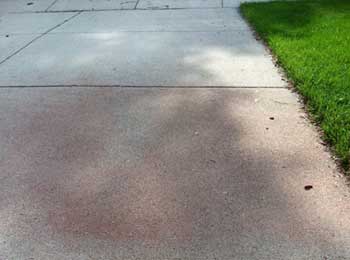
mulch stain on drivewayUsing colored mulch can leave stains on your driveway or parking lot. Once you notice the stain from the mulch, you may begin noticing other stains from oil and grease. To keep your driveway looking clean and fresh, here are some tips on removing those stains.
With a colored stain, the cleaning process is simpler than cleaning an oil stain. The stain will wear away over time but for immediate results, follow these simple steps:
  1. Rinse the surface with water but do not power wash the stain because the high pressure can drive the stain deeper into the pavement.
  2. Apply soap or vinegar to the surface and scrub the soap into the surface with a brush using circular motions.
  3. Rinse the soap and dye away using a low pressure rinse.If the stain still persists:
  4. Mix 2 capfuls of bleach into 2 gallons of warm water. Scrub the bleach solution into the stain using the small circular motions again. Completely cover the stain with the bleach and allow it to sit for 30 minutes.
  5. Wash away the bleach solution using a low pressure rinse.
To avoid mulch stains, watch the weather. If there is rain in the forecast, hold off on having the mulch delivered till dry weather comes. Rain makes the dye on the mulch bleed onto the pavement.
There are a few different options for removing an oil stain from your asphalt pavement.
If dealing with a stain that still has excess oil on the surface, blot up the oil as best as possible. This can be easily done by sprinkling kitty litter over the entire stain and allowing the oil to soak into the kitty litter. When the excess oil is soaked up, the litter can be swept up and disposed of.
To remove the stain, the most popular method is using Tri-Sodium Phosphate (TSP). Create the paste using TSP and water to desired thickness. Scrub the paste onto the stain using a long brush. Allow the paste to sit for thirty minutes and then rinse it off with water.
Using commercial degreasers can be effective as well. Avoid using degreaser with solvents, it will only hurt the driveway more. Follow the directions on the bottle and scrub the degreaser into the stain to break down the oil and rinse it off with water.

Asphalt versus Concrete Driveways – Which is Best

Asphalt and concrete are the most popular types of material for paving driveways. Asphalt driveways and concrete driveways both have their unique advantages. If you live in a cold climate and are considering a concrete driveway you need to make sure the base for the driveway is heavily laid with gravel and it is compacted first. Otherwise the driveway will run the risk of cracking due to frost heaves. In addition, concrete is susceptible to salt damage, a material frequently used on roads in cold weather parts of the country. On the other hand, if you live in a warm or hot climate and are considering asphalt paving, then you need to consider the fact that asphalt can become soft in the hot sun and is therefore susceptible to ruts.
Asphalt paved driveways are typically cheaper to install than concrete paved driveways. However, asphalt paved driveways need significant more care over time to protect them. Asphalt paved driveways need to be sealed at least once every 3-5 years. Each sealing, though easily completed by a do it yourself homeowner, costs money and time. In addition, the sealer needs typically 2-3 days to dry before you can park a vehicle on it. Also, a newly asphalt paved driveway should not be sealed for at least 6-9 months, as the light oils associated with the asphalt need to evaporate first. If an asphalt driveway is sealed too soon it will remain soft forever.
Asphalt driveways do not need to be always black and concrete driveways do not always need to be off-white. Both asphalt and concrete driveways can be tinted to various colors. Check with your prospective paving contractors first to see what color options there are for your driveway project.
Asphalt driveways, if maintained can typically last 25-30 years. Concrete driveways can last even longer. However, both require a solid foundation to be laid on. If not laid on a solid foundation both will crack over time, especially in colder weather climates. Asphalt cracks are easier to repair than concrete driveway cracks.
Consideration for the slope of the driveway should also be considered when contemplating concrete driveways. Over time, concrete driveways can shear off of the foundation they are poured on which can lead to unwanted cracks.

Copyright: http://www.allprorepairs.com/Roofing-Center/Pavement-Choice.html
Internet Special Coupon
10% off up to $250


Coupon created by Keinan Processing Corp, creator of www.KPsearch.com
Visit website to print out coupon http://www.atlasasphalt.com/coupon_preview3479.html?headsrc=c&cid=1024&loc=&sid=280920&s=280920&srctype=cust_view&back=noback

How to Safely Clean Masonry


Overtime, our masonry can start to look a bit run down and dirty and can take away from the curb appeal of our homes. Power washing can help, but for those deep down stains, you’re going to need to get some serious help. There are a few main options that you can use to get that masonry looking like new.
Sandblasting -
This is the safest method of cleaning up your masonry and can be used by anyone. The results may not be as good as with other methods, but most home owners prefer to err on the side of caution and use this method if they are doing it themselves. You can rent a sand blaster from a lumber yard or a hardware store. Make sure you get instructions on how to use it properly before you begin. The clean up is a little tough afterward, but you should notice a significant change in the appearance of your masonry when you are done. If you will be sandblasting, it is vital to wear goggles and make sure that all of your limbs are covered. That grit can be very painful and has the potential to blind you if you are not wearing appropriate safety gear.
Phosphoric Acid -
This is a common acid that comes with most over the counter masonry cleaners. It is not as dangerous as some methods, but care should still be used when applying it. Always follow the directions exactly for the cleaner and make sure that you are wearing appropriate safety gear. If you do not feel comfortable messing with acids, and few people do, you may want to get some professional help.
TSP or Trisodium Phosphate -
This is a very good cleaner that does not actually etch the surface, and it can be very effective. However, it is vital that you do NOT mix this cleaner with any acid. The results are deadly. Special care must be used when using TSP to clean your masonry. When used properly and with the right safety gear it is safe, but you must follow the directions to the letter and avoid mixing it with any other chemicals.
Muriatic Acid -
This is the cleaner that is used by professionals and should really never be used by the average homeowner, unless they have prior experience in masonry cleaning. This acid will get the best results as it gets deep down into the “pores” of masonry and etches out all the dirt. It is however incredibly dangerous to use, especially if you do not know what you are doing. We do not recommend this masonry cleaner unless you have prior experience in using it safely. If you have masonry that is very badly stained, have a professional come out to use this product, but do not attempt to do it on your own.
The key to cleaning masonry safely is to use the right products and always follow directions to ensure that safety comes first.

Repairing a Crack in the Driveway


If you have a driveway that is made out of asphalt, then understanding the essentials behind driveway crack repair is going to be rather necessary. There are a number of benefits to using an asphalt driveway over one made out of gravel or dirt, including a longer lifespan and better durability. Sealing your driveway will help it to become more durable, but if you have any cracks or holes that occur it is vitally important that you fill them quickly using a rubberized asphalt product. Keeping your asphalt driveway free of oil spills and completely clear of other contamination is also going to be playing an important role in prolonging the lifespan of your driveway.
Keeping your Driveway Clean
Keeping your driveway completely clean is going to be a big part of allowing it to last a long time while maintaining the attractiveness as well. It is important that you clean up oil spills, other spills and other forms of contamination as quickly as you can before the chemicals are given a chance to damage your driveway by seeping into it. In order for you to clean up a dirty asphalt driveway, you should perform the following steps:
  1. Use an ice chipper, a spade or a lawn edging tool to scrape out any weeds, debris or grass that have gotten into the cracks in the driveway, as well as from around the edges of the driveway.
  2. Use a hose or an air compressor to create a strong blast that you can use to remove loose bits of asphalt from damaged areas or cracks present in the driveway surface.
  3. Bring out a broom and use it to brush away any debris or loose asphalt that you shook loose.
  4. Dilute a driveway cleaner and use it to scrub your driveway, removing any dirt or oil. Repeat this scrubbing process as needed until you have removed all of the stains. If there are oil stains that are excessive you may want to use a primer for oil spots and other stains that you cannot simply scrub away.
  5. Hose the driveway down thoroughly, using as much pressure as you possibly can. When you go about hosing the driveway down, it is best that you begin at the top and work down and to the sides as you go.
  6. You can use a shop vacuum cleaner to remove loose debris from the cracks in the asphalt as well. Keep in mind that the driveway has to be very clean and dry before you can repair it with filler.
  7. Now you are going to want to allow your driveway to dry completely before you make the necessary repairs to it.

When to Call a Pro

If you are interested in do-it-yourself home repair, it’s easy to think that you can tackle any project. However, thousands of dollars and a few trips to the emergency room later can make you rethink that position. If you are considering renovating your home, remodeling a room or changing anything major, it is vital to make sure that you have the skills, techniques and knowledge to tackle the chore before you begin. It is much cheaper to have a professional do the job from start to finish than it is to have them fix whatever you may have messed up.
Here’s an easy guide to help you determine whether or not calling a pro is the best answer.

1. The project will entail electrical rewiring.

Unless you have experience dealing with rewiring, this a job that is absolutely best left to professionals. Home electrical systems are very dangerous if you do not know what you are doing and serious if not fatal injury can occur. This also applies if you are tackling a project that may entail removing wiring, knocking down a wall where wiring may be present or installing a pool or hot tub. Do what you can up to a point, but when it comes to handling the wiring, call a professional.

2. You need to fix your roof and your house is two or more stories.

While fixing a roof on a single story can be dangerous, the danger is multiplied the higher you go. If you have never been on a roof before, now is not the time to see if you are good at it. Roofing is another task that is best left to pros, especially if you have no experience with walking on a slanted roof, dealing with heights and carrying supplies up and down a ladder. While most amateurs can easily clean out their eaves or fix a small leak on a one-story house, any higher than that is not recommended.

3. The project requires concrete.

Too many homeowners end up with unusable driveways, dangerous pathways and repair bills that are through the roof. If you are planning a project that requires more than just Quikrete, it is best to have a professional handle it for you. While you can pour your own foundation or redo your driveway, if you have never done anything like that before, it is not recommended to try it on your own.

4. The project requires a special skill that you do not have.

It is important to be honest with yourself when it comes to skills. Yes, you can follow instructions out of a book, but there is a chance that something can go wrong. Don’t let pride or ego ruin your home. If you don’t think you can do it – don’t. If you only think you can because of an inflated ego – don’t. Take the time to learn the skill from a professional before you end up in way over your head.

Copyright:  http://www.handymanfixhomerepair.com/when-to-call-a-pro/

How would you rate concrete driveways as compared to asphalt paving?

Question: How would you rate concrete driveways as compared to asphalt paving?
Like asphalt drives, concrete driveways fall into the "solid-surface" group of paving materials. A comparison of concrete driveways with their better-known cousins is, then, unavoidable.... Answer:


Pros of Concrete Driveways
Decorative options.
Ease of snow removal.
Where winters are not severe, outlasts asphalt paving.


Cons of Concrete Driveways:
More expensive than asphalt paving.
Unlike asphalt paving, can't be relayered.
Concrete driveways stain easily, and the stains are tough to remove.
Maintenance.

The look of concrete driveways can be enhanced through pattern-stamping and coloring. Unfortunately, their appearance is easily marred by stains -- which are almost inevitable on a surface used by automobiles. Oil stains, which also plague asphalt paving, are difficult to remove. But concrete driveways are often lighter in color than their asphalt counterparts, making the stains more noticeable.

If winter is on your mind, asphalt surfaces perform better in areas with severe winters than concrete driveways. For while snow removal is easy on both surfaces, concrete driveways are more likely to crack due to the freezing/thawing cycle. In addition, the This Old House Web site notes that unlike asphalt paving, concrete driveways cannot simply be relayered once damaged. Both concrete driveways and asphalt paving need to be sealed frequently, so maintenance is a consideration.

Where winters are not severe, concrete driveways last longer than asphalt paving. But you'll pay for it, as concrete driveways are the more expensive of the two.


Copyright: http://landscaping.about.com/od/drivewaysandwalkways1/f/concrete_drive.htm